Transform Your Setback Into Your Comeback Story
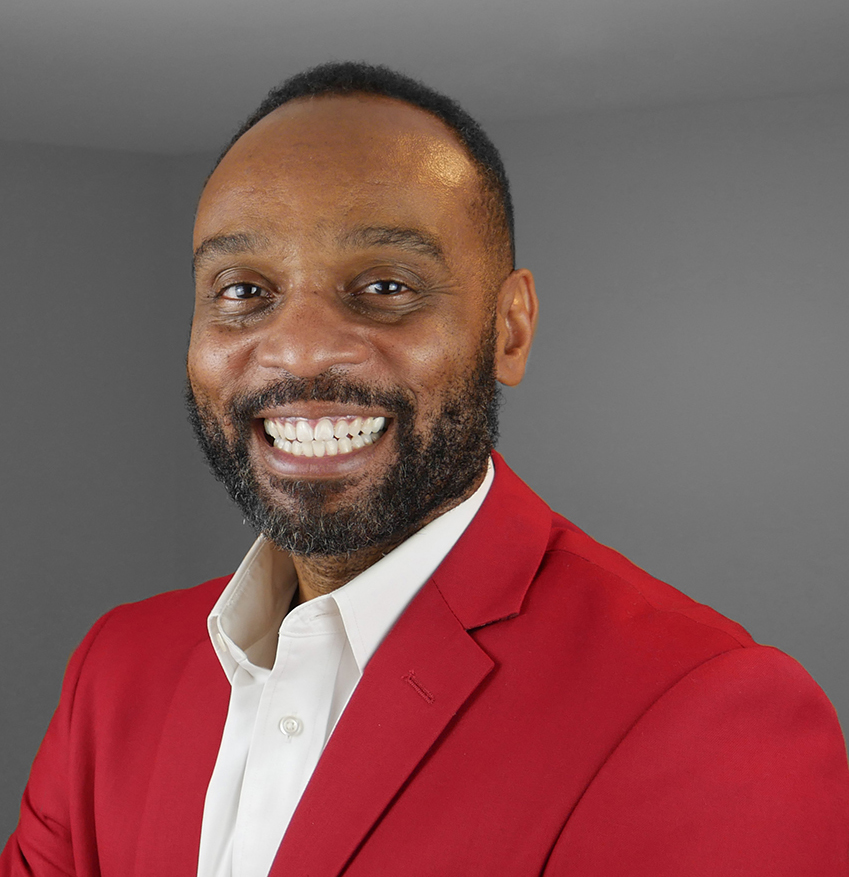
Guest Blog Written by Steven Garner

From pulpits, prisons, classrooms, corporations, and conferences, I have coached and trained people on how to develop a resilient mindset and recover from difficult circumstances. In my professional career, I worked for the founders of several startup companies and watched entrepreneurs fight, crawl, and climb back from serious business setbacks.
In my personal life, I once allowed a person addicted to crack cocaine to live in my home. Their addiction had destroyed relationships and left them with nowhere to go. Over time, I watched them break free from addiction, restore relationships with family and friends, and rise in their career to become a respected corporate manager.
Across these experiences, I noticed something powerful. The most resilient people share a common habit. They create a transformational story inside their negative story. Think about a movie that has a plot within a plot. In the same way, resilient people use painful circumstances as the starting point for a new narrative that leads to growth and transformation.

Transformational storytelling builds mental resilience
Many people believe resilience is simply about willpower. They imagine it as pushing through hardship with determination and emotional strength. Resilience is deeper than that. Resilience is a creative act that reshapes how you interpret reality.
To mentally withstand difficulty, people create thoughts that oppose the negativity they face. They imagine themselves rising above the challenge. They see themselves fighting through adversity and reaching a place of stability or success. This process is what I call transformational storytelling.
Transformational storytelling is the practice of vividly imagining the future version of yourself who has overcome the challenge. Your story becomes the script that helps reprogram your thinking. It guides your emotions and influences your actions so you can move beyond the obstacle. Psychologists call this cognitive reframing, a method used to transform negative thoughts into empowering perspectives.
Why a story is more powerful than a goal
Goals are useful because they help people define what they want to accomplish and track their progress. A transformational story goes further. A story includes emotion, detail, and meaning. It allows you to mentally experience the outcome before it happens. When you immerse yourself in the story of your future success, your mind begins to accept that outcome as possible. This is why some people thrive even when their circumstances are difficult. Their transformational story creates a positive alternative to their present reality.
A real example of transformational storytelling
In a podcast interview with my realtor, Mark Vilas, he shared how he achieved ambitious goals despite major challenges. Mark created a transformational story for his life and recorded himself describing the future he wanted to achieve. Every day he listened to that recording in his car. That simple habit reinforced the vision he had created. As a result, Mark built a strong financial portfolio and survived the financial crisis of 2008, one of the worst economic downturns since the Great Depression. His story demonstrates the power of consistently reinforcing the future you want to create.
We live between two chapters
I believe every person lives between two chapters of life.

Chapter One: “It Happened”
This chapter contains every painful event, mistake, loss, and hardship we experience. Unfortunately, difficult events will always occur in life. At the very least, we can accept that adversity is part of the human experience. The important decision is refusing to allow those events to become our only story.
Chapter Two: “I Made It Happen”
This is the chapter where transformation occurs. It is where people take lessons from the past and use them to create a stronger future. When people enter this chapter, they free themselves from the emotional prison of defeat and begin building a meaningful path forward.
A powerful example of transformation
Roland Tennyson provides an inspiring example of someone who rewrote his story. At the age of 12, after being in a car accident, Roland fell into a coma for ten weeks. When he woke up, doctors told him he would likely never read above a third-grade level and might never walk again. Roland refused to accept that prediction as the final chapter of his life. Instead, he created a new story. Through tutoring and persistent effort, Roland eventually attended college and graduated at the top of his class. He was selected to deliver the class speech at graduation.
During his speech, Roland compared life transformation to developing photographs in a darkroom. Film must first pass through darkness before a beautiful image can appear. His life became that finished photograph. Roland later became a hospital laboratory manager, a father, and a man who built a meaningful life.
How to create your transformational story
Developing a transformational story begins with writing. Write down where you want your life to go. Describe the future version of yourself who has overcome the obstacles you face today. Before you can physically move forward, your mind must move there first. Your transformational story is not simply a dream. It is a blueprint for your future.
When people repeatedly tell themselves a story, their minds begin to believe it. Psychologists refer to this as the Illusory Truth Effect, which describes how repetition increases belief. Leaders, marketers, and communicators use this principle constantly. You can use it to reshape your own life.
Creating systematic happiness
Many people say happiness is a choice. Yet even positive people struggle to feel happy during difficult seasons. A transformational story helps create systematic happiness. It provides a meaningful direction that guides your thinking and actions. Instead of chasing temporary pleasure, you pursue a purpose that gives your life meaning. Many people have only a vague idea of what happiness means. They simply hope things will eventually work out. When life becomes difficult, they fall back into negative thinking. A transformational story anchors your thinking so you can remain focused even during adversity.
Now is the time to write your story
When life feels overwhelming and the future seems uncertain, that is the best time to write your story. I grew up in an environment filled with poverty, crime, and hopelessness. Many people around me had simply given up on life. At one point I decided I wanted something different. So, I wrote a short story describing the life I wanted to live. It was not perfect or polished. But it gave me a vision during some of the most difficult seasons of my life. Over time I edited that story as I reached new milestones. The core vision remained the same, but the details evolved as my life expanded. Life still presents challenges today. But I now have a transformational story that keeps me focused on living a meaningful and purpose-driven life. You can do the same.
Take your cues from me and live a great life.
Steven Garner is the founder of NEXCUE, a resilience-based framework that equips early- to mid-career leaders to transform moments of trauma or drama into catalysts for creativity, purpose, and excellence. With more than 25 years of experience as a speaker, marketing director, and coach, he has inspired audiences in corporations, colleges, correctional institutions, and faith-based organizations. A certified John Maxwell speaker and coach, Steven helps people turn adversity into meaningful resilience.


Comments